
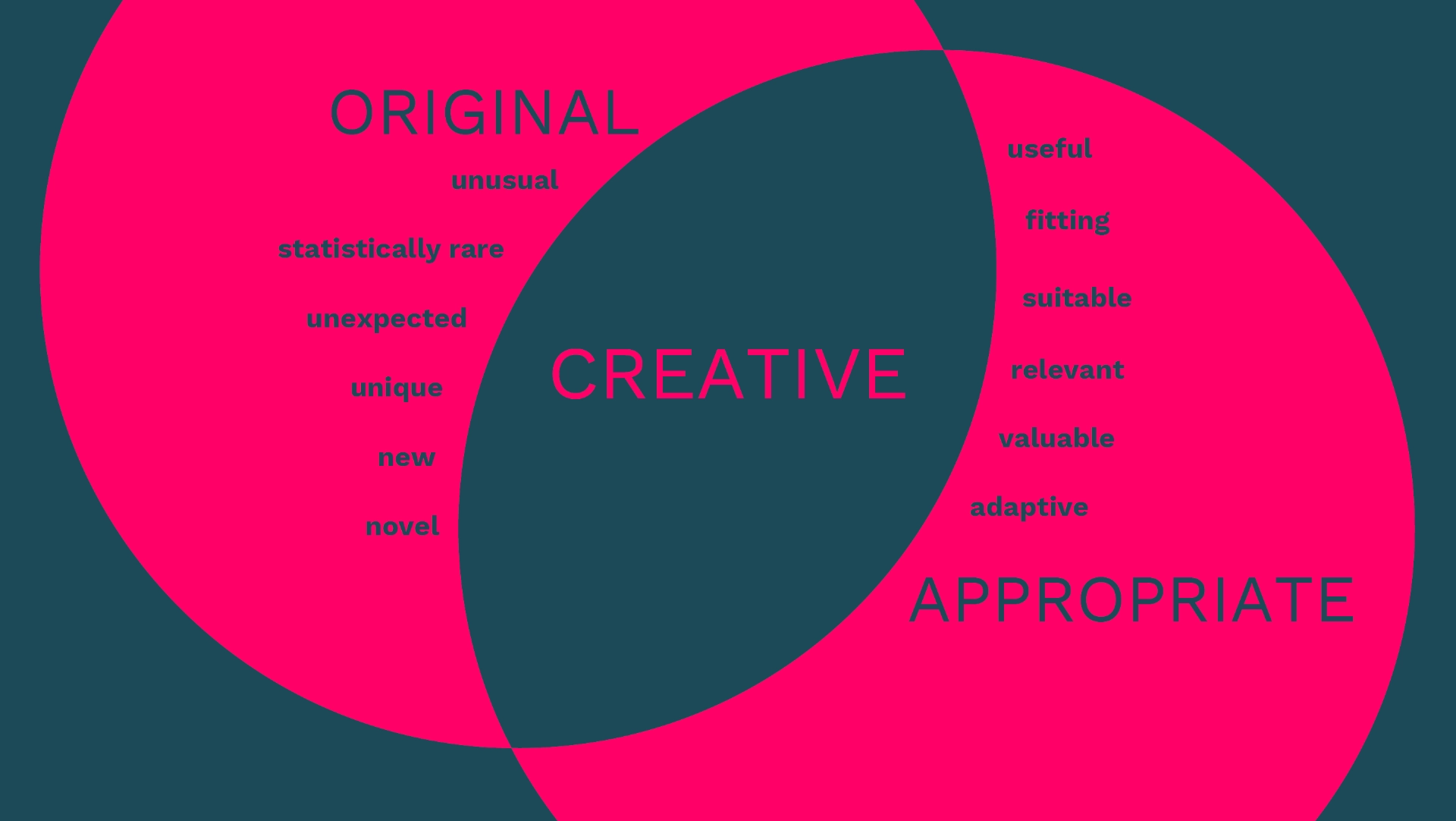
I started to look into creativity only recently. As most of us, I took it for granted that it happens somehow magically. Staring for hours at the screen and suddenly having that great idea. Taking a shower and suddenly the solution to the long sought problem is crystal clear. Having a nice conversation with a friend and suddenly have a new business idea. Hopefully original, hopefully appropriate, and therefore truly creative.
I didn't know much more than common places about creativity. It just hits you. You can't be creative with too much stress. You can't be creative without pressure. You need to be open for new input. It depends on which half of your brain is dominant. Claims, that are mostly plain wrong or at least pretty far off, how our brain actually works.
The good news: There are some things, that we can do to boost creativity, that actually are backed by neuroscience! At least that was my conclusion after reading a couple of books on neuroscience of creativity. I condensed the most interesting parts of the neuroscience books into this talk, so others don't have to read all the books.
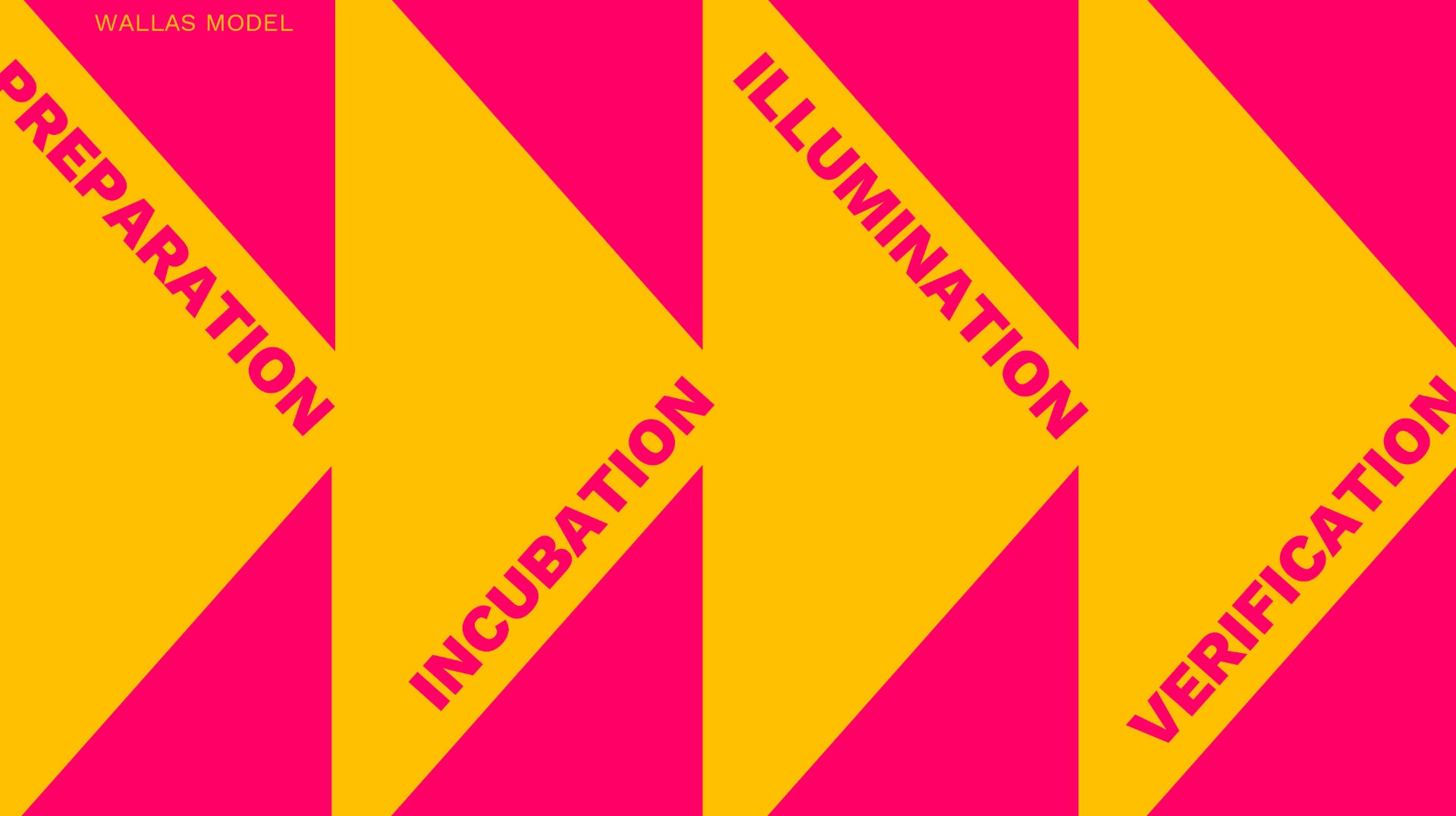
Talk and workshop hand in hand
But listening is not half as good as doing, so this theory talk comes along the ideation workshop Magic Moments. Together they provide the understanding on how creativity actually works - and which of the hundreds of creativity methods are actually backed by science and should be used.
Stop wasting time and money with myths about creativity.
While the talk is prepared with designers in mind, it appeals to a broader audience. Basically everyone who has to come up with novel ideas or solutions to tricky problems.